|
このページはEtoJ逐語翻訳フィルタによって翻訳生成されました。 |
|
|
| |
| The Art 貯蔵所 turns five How it all started - and why |
| by Karl-Erik Tallmo |
 Almost each and every 問題/発行する of The Art 貯蔵所 has had a different logotype. This is what the knowledge 問題/発行する from April 1998 looked like. The logo in 十分な size (opens up in a new window).
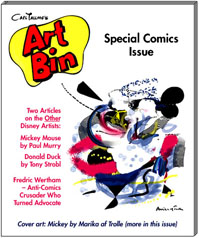
Marika af Trolle's artwork "Musse" ("Mickey") was perfect for the special comics 問題/発行する, which featured articles about the second most famous Disney artists Paul Murry and Tony Strobl. The start page in 十分な size (opens up in a new window).
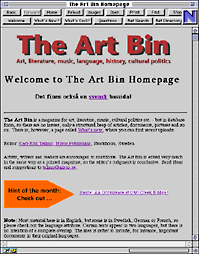
The start page of the very first 問題/発行する of The Art 貯蔵所, up online on April 18th 1995. See the page in 十分な size (opens up in a new window). The "hint of the month" here, an amazing story by Ambrose Bierce, where time stops, is still 高度に recommendable!
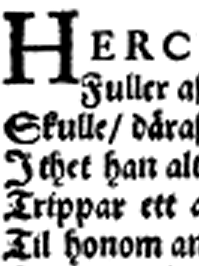
In the "Origo" section of The Art 貯蔵所, the idea is to publish source texts in their 初めの languages, and old texts should not be modernized. Georg Stiernhielm's "Hercules" was の中で the first source texts to be published in 1995, transcribed 直接/まっすぐに from the fraktur 初めの, printed in Swedish in 1658.
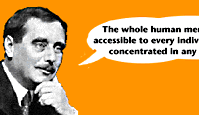
From the 贈呈 on the 前線 page, when H.G. 井戸/弁護士席s' remarkable text about the "world encyclopedia" was published online. 井戸/弁護士席s 予報するd 全世界の 網状組織ing 支援する in 1937 already - but he was thinking of microfilm, not computers. This 問題/発行する was 解放(する)d in July 1995.
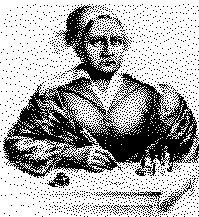
The "事実上の museum" about the 女性(の) natural healer Kisamor (1788-1842) has attracted much attention both in Sweden and abroad. She was a "terrifying hag" - some people even thought she 似ているd Napoleon. She cured the Swedish king, but she was also 起訴するd for 殺人, when a man died from drinking one of her decoctions.
In August 1997 the special 問題/発行する about Stalinism was published, with, for example, the 報告(する)/憶測 of the 法廷,裁判所 訴訟/進行s from the Moscow 裁判,公判s of 1936,an 広範囲にわたる documentation never before on the Web. The start page in 十分な size (opens up in a new window).
The Art 貯蔵所 logotype, Christmas 1998. The start page scrollable in 十分な size (opens up in a new window).
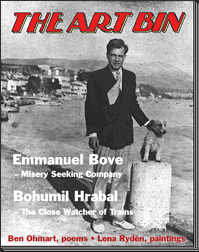
The December 問題/発行する 1997 featured French author Emmanuel Bove. The start page in 十分な size (opens up in a new window).
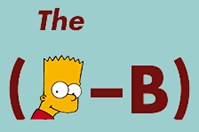
Logotype as picture puzzle, August 1999. This 問題/発行する also dealt with the word "承認する", its origin and how it is used both in ソフトウェア and in everyday conversations. The start page in 十分な size (opens up in a new window).
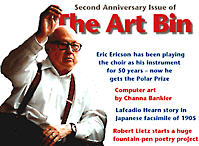
The two years 周年記念日 問題/発行する, 1997, featured an interview with Swedish choirmaster Eric Ericson. The vignette in 十分な size (opens up in a new window).
In October of 1998 The Art 貯蔵所 published a scrollable Stockholm panorama from 1897, 25 インチs wide on the computer 審査する. It was made by photographer Ernst Roesler and consists of four 連合させるd (危険などに)さらすs.
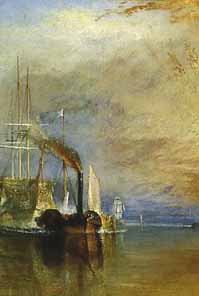
The 絵s of William Turner and the texts about Turner by John Ruskin were put together in an 問題/発行する 解放(する)d in February 1996.
Paul Renner's 初めの design for the typeface Futura was used for the logo in October 1998. 公式文書,認める that the letter "a" comes in different forms, and that the base line 高さ 異なるs. The more 従来の Futura we are used to see today was made in 1927. The logotype in 十分な size (opens up in a new window).
The 問題/発行する about Vienna at the (previous) turn of the century had an 異常に small logo. This 問題/発行する is still online, but since it consists almost 完全に of 外部の links, be 用意が出来ている that many of them will have 満了する/死ぬd, since 文書s on the Web change places やめる frequently.
|
| | |
THE WORLD WIDE WEB caught my 注目する,もくろむ for the first time in January 1994. Nine months later, in October, I could no longer resist the 勧める to start a 数字表示式の cultural magazine - the one you're reading now.1 This was when I started working on it, the 首相 問題/発行する was, however, not 解放(する)d until six months later, on April 18th 1995. The idea to publish some 肉親,親類d of cultural 定期刊行物 had struck me several times during the years. The first time was probably in the 中央の 70's, when I considered starting a magazine called Avanti. 支援する then I was still 政治上 somewhat to the left, so the 肩書を与える ふさわしい that inclination 同様に as my 利益/興味 for avantgarde music and art. I planned to use "Cum populo 広告 astra" as the magazine's motto. But each time I felt this 勧める, I also realized what an incredible 量 of work and money it would take to cover 生産/産物 and 配当. Twenty years later, the 状況/情勢 had changed 完全に. Now one could disseminate simple newsletters over the Internet, through 法案 Board Systems or on diskette 経由で 郵便の mail. 決定的な for my ideas to be realized was, however, the World Wide Web, where text and images could be 統合するd. During 1993-94 I wrote several articles in newspapers and magazines about culture on the Internet. I tried to 強調する the good things, but to be honest, there was very little 利用できる on the Web that could attract, for instance, the culturally 利益/興味d public. On the Web 場所/位置s of American campuses you could find a few cultural 'zines, but they were rather 限られた/立憲的な to student jargon. There were only a few high 質 Web 出版(物)s, e.g. CTheory and Postmodern Culture - and they still 存在する today. Sweden also had an 早期に online 出版(物) within the field of arts. The evening paper Aftonbladet published a cultural magazine in print at the beginning of the 90's, and 結局 they published a Web 版 同様に. This was, however, discontinued during the 落ちる of 1995.
”In The Art 貯蔵所 one should be able to find anything from James Joyce to comics, from computer communication to epics of chivalry.”
In The Art 貯蔵所 I 手配中の,お尋ね者 to publish all such things that I myself 手配中の,お尋ね者 to read or have 接近 to on the Web, rare source texts, newly written articles about anything from James Joyce to comics, from computer communication to epics of chivalry - and, 自然に, art and music. 特に the 可能性 to easily find source texts was to me の中で the greatest 利益s of Internet 科学(工学)技術. As a 新聞記者/雑誌記者 or 研究員 you could sit at your desk at home or at your office and すぐに read texts needed for a particular assignment. No more waiting at library 貸付金 desks. Instant 接近. Knowledge a mouseclick away. In spite of everything, there still seemed to be hope for the world.2 For six months, from October '94 until April '95, I was searching for and 収集するing 構成要素, 交渉するing with copyright 支えるもの/所有者s, scanning images and OCR reading texts. My 目的(とする) was that The Art 貯蔵所 already at the 首相 would 含む/封じ込める an abundant variety, a smorgasbord of cultural 多様制. The first upload 含む/封じ込めるd 15 Mb of texts and images.3 The seminal upload 含むd, for instance, Georg Stiernhielm's "Hercules", transcribed from the fraktur 版 of 1658, 同様に as Chaucer's "A Treatise on the Astrolabe" (the oldest known technical 手動式の in English). The Swedish master of "short prose", Uno Eng, was 代表するd with his "Historiettes". There was also a section with 中世 Swedish code of 法律, the "Uadha mal" (Vådamål) from appr. 1350. This 初めの text in old Swedish was also illuminated from two angles, as history of language through an article by Per-Axel Wiktorsson and as history of 法律 through an article by Elsa Sjöholm (these articles are 利用できる in Swedish only). The 肩書を与える of the magazine was not the result of any longish brooding. As an old Disney fan I was fascinated by Uncle Scrooge and his money 貯蔵所. Would it be possible to talk also about an art 貯蔵所? I 協議するd a few American friends on the 逮捕する. Sure, it was possible, so I went on with it. Later I learned that there is 現実に a 肉親,親類d of box for artists, where they keep their 小衝突s and paint tubes, which is called an art 貯蔵所. At first I did not want my magazine to be divided into 問題/発行するs. All published 構成要素 would just 構成する a big growing heap, which now and then would be 補足(する)d by upload no 1, upload no 2 etc. Rather soon, however, I realized that the 問題/発行する metaphor was still needed. For instance, 圧力(をかける) 解放(する)s were rather unintelligible if you used the 称する,呼ぶ/期間/用語 "upload". Still, there are advantages with keeping it all in a heap, or database. The same 構成要素 might be sorted in different ways, you may have menues where the content is sorted chronologically ("問題/発行するs") or by articles, by source texts or by the 含むd images etc. At the end of the 80's, when I scripted a few databases and other fact collections in the Macintosh program Hypercard, I started to believe that order, in the computer age, should be both 地元の and 一時的な. You should try not to lock (警察などへの)密告,告訴(状) into 確かな structures. If you can 避ける that, the (警察などへの)密告,告訴(状) may be used and re-used 無期限に/不明確に. A Web zine that 蓄積するs its contents in this way also becomes its own 古記録. Later 構成要素 may of course 言及する to earlier stuff - this is possible in print too - but an e-zine may also have older texts 言及する to newer ones. You can 追加する hyperlinks in old articles, if something has been 追加するd later that could illuminate the old content. Accumulation also means that the 集まり of (警察などへの)密告,告訴(状) grows, and thus its "gravitation" 増加するs, which in turn means that the attraction upon さまざまな search engines also gets stronger. Since the magazine would appear on an international 円形競技場 it was of course also important that texts should be in several languages, with a Swedish 同様に as an English start page. Comments by the editor should be 主として in English, while articles and source texts might be in Swedish, English, German, French or any language using the Latin alphabet. The first 問題/発行するs did not 陳列する,発揮する any real newspaper-like headlines. Instead I tried to follow the more or いっそう少なく 設立するd Web 基準 of 迎える/歓迎するing the 訪問者s. "Welcome to the Art 貯蔵所 Homepage" was the 最高の,を越す message in the first few 問題/発行するs. Then there was a link to a 名簿(に載せる)/表(にあげる) 含む/封じ込めるing the most recently uploaded 構成要素, and there was also a 思い出の品 of some gem その上の 負かす/撃墜する in the link 階層制度, that I did not want to sacrifice to oblivion. So inapt though - the new stuff was hidden one link away, while the hint about older 構成要素 was 陳列する,発揮するd 前線 page.
”All these portals that are 存在 opened, show that the 競争 on the Web today stands more and more between individual articles rather than between individual 出版(物)s.”
Very soon I (機の)カム to my senses and started to 適用する more of a 伝統的な newspaper design. When one has a brand new medium at 手渡す, one would really love to give up old metaphors, but the fact is that the newspaper page, that has been tried やめる 井戸/弁護士席 the last century, 作品 罰金 with its 階層制度 of headlines, its vignettes and other interface elements, and they work both on paper and on the Web. And most important, this is a way of thinking that is 井戸/弁護士席 rooted within the 的 group, the readers, or rather the 訪問者s, as they are called on the Web. This 称する,呼ぶ/期間/用語 in itself 示すs that something new has happened. We are no longer 取引,協定ing with faithful 加入者s but with passing guests, now and then 栄誉(を受ける)ing us by 支払う/賃金ing a visit. その上に, all these portals that are 存在 opened, show that the 競争 on the Web today stands more and more between individual articles rather than between individual 出版(物)s.4 The first 問題/発行する got online on April 18th 1995 and attracted attention from the start. The American newsletter WEBster (later 改名するd Web-Vantage) wrote in its May 問題/発行する: Karl-Erik Tallmo has re-engineered the literary magazine. No longer do readers 捜し出すing arts, literature and cultural essays have to bend to paper 支配するs of linear progression. Tallmo, editor of Art 貯蔵所, has 現在のd a new 概念 in magazine formatting: the database. [...] Art 貯蔵所 is the 肉親,親類d of 場所/位置 that 申し込む/申し出s (警察などへの)密告,告訴(状) providers a fresh look at the 贈呈 of 伝統的な arts using a new medium. What is most intriguing about this 場所/位置 is the 可能性のある it 代表するs. Still in its 早期に 行う/開催する/段階s, Art 貯蔵所 can only 発展させる into one of the Web's best art 資源s. When the first 問題/発行する was 安全に online I 分配するd a printed ちらし in the "real" world, with the 長,率いるing "Hereby my 招待", where I asked people to 与える/捧げる:
Do you compose 極小の music? Do you 令状 固める/コンクリート poetry? Have you written an essay about Barthesian punctum within 同時代の cinema? Or about the phrygian bias in Sun Ra’s improvisations? Or have you done some 利益/興味ing 絵s - no fancy gimmicks, just darn good art? Why not 株 this with the readers of Art 貯蔵所? Or do you just hate some of this? 令状 an article and explain why! Artists, writers, and musicians of all 肉親,親類d, all over the world, are hereby 招待するd to 与える/捧げる to the Art 貯蔵所. But please 接触する me first and discuss your idea.
I did not receive many 非,不,無-requested submissions in those days. Today I get a couple of suggestions each week - stories, poems, or images.
The second upload, that is, 問題/発行する no 2, online on July 1995, 含むd two of the things I am most proud of having published on the Web.
First, the "事実上の museum", 献身的な to the remarkable 女性(の) natural healer Kisamor (1788-1842). My family 相続するd 28 letters and recipes from her, and my father did 研究 about Kisamor's life and work, planning to 令状 a 調書をとる/予約する. Unfortunately he died in the middle of this 事業/計画(する), leaving a 抱擁する 量 of (警察などへの)密告,告訴(状) behind. What I published was a small part of this collection. The 衝撃 of Web publishing is obvious when you consider that these old letters and recipes, which had been deposited at an 古記録 in Sweden and 熟考する/考慮するd by just a few people in the course of 30 years, caught the attention of more than 70,000 people only during the first two years online at the Art 貯蔵所. (The Kisamor 古記録 含むs some commentary and 要約s in English.)
Another important item in the July upload 1995 was H.G. 井戸/弁護士席s' "The Idea of a 永久の World Encyclopedia," a text from 1937 that 心配するs the World Wide Web. He 推測するs about how we will be able to 熟考する/考慮する 反対するs from museums, 同時に from 場所s all over the world. "The whole human memory can be, and probably in a short time will be, made accessible to every individual," 井戸/弁護士席s wrote and subordinated this thought to another even more magnificent idea, that of the world brain, "this new all-human cerebrum". 井戸/弁護士席s understood that it is not a question of just 注ぐing out (警察などへの)密告,告訴(状). We need to 促進する human thought.
"Art 貯蔵所 has become a gold 地雷 for those 利益/興味d in culture," Swedish Macworld Online wrote in July 1995. I was interviewed by Swedish and Norwegian television, and a couple of American 無線で通信する 駅/配置するs called. Publishing on the 匿名の/不明の Web means that you いつかs get a search robot as your first reader, before the individuals who sent the robot out may read themselves, and 正確に this fascinated author James Gleick, who wrote a column, "The Spiders Stratagem", in the New York Times Magazine (March 3rd, 1996), using The Art 貯蔵所 as his 真っ先の example.
In February '96 I published a few John Ruskin texts together with pictures of the 絵s by William Turner that he wrote about. I had never seen a 調書をとる/予約する with this obvious coupling, so I 手配中の,お尋ね者 to show some examples of what it might look like.
In the same 問題/発行する I also returned to the source 構成要素 about Kisamor and published a 調書をとる/予約する as a sort of print-on-需要・要求する. This was the diary of "authoress" Betty Ehrenborg-Posse, which she wrote during a stay with Kisamor in 1839. It had never been printed, and was 利用できる in manuscript form only, at the university library Carolina Rediviva in Uppsala. Still, it is a story very 井戸/弁護士席 価値(がある) reading, that was also told orally at the famous coffee (米)棚上げする/(英)提議する of Swedish author and poet Erik Gustaf Geijer. (The 調書をとる/予約する is in Swedish and consists of 62 printer pages in PDF 判型.)
During six months 1996 The Art 貯蔵所 was sponsored by the electronic 商店街 "Posten Torget". This is the only economical support the magazine has ever received during its 存在. In June that year, one of few 批判的な 発言する/表明するs was heard. In Swedish daily Svenska Dagbladet, Anna Lundevall explicitly wrote that this sponsoring made me a "whore", and she continued: "he [Karl-Erik Tallmo] started the cultural Web zine Art 貯蔵所 and struggled on 罰金 and solidly on an idealistic basis. Until he sold himself to the Posten 商店街. Hopefully he got some nice dough."
In November I entered into the 戦う/戦い about the いわゆる WIPO 条約, which could have made the whole idea of the World Wide Web impossible. 使用者s could have been 軍隊d to 支払う/賃金 as soon as an image or a text was copied and 蓄える/店d within their computers, something that happens all the time when you surf the Web. My polemic article on this 事柄, Copyright 警報, was 解放する/自由な for anyone to spread on the Internet or in print.
One of the most popular articles through the years was the one about the at-調印する, "@ - a 調印する of the Times,", which was later published in several graphic newsletters. Another article with a 確かな 控訴,上告 was the review of the 調書をとる/予約する about the pinup girl Bettie Page. (In July 1997 I 収集するd a rather approximate 最高の,を越す 20 名簿(に載せる)/表(にあげる) , which is still online.)
The two year 周年記念日 1997 was celebrated with an 広範囲にわたる interview with choirmaster Eric Ericson, an article which he 報道によれば was 満足させるd with himself and thus recommends. The same 問題/発行する also featured 見本s from Robert Lietz' remarkable fountain pen 事業/計画(する) "Topping off", a delightful anomaly in the age of word 過程ing.
In 1998 there was a special 問題/発行する about knowledge in the 数字表示式の society. Do we need to keep knowledge in our brains or is it 十分な to have 接近 to it on harddrives and through 網状組織s - that was the question. The idea that true knowledge is immensely important for every new 世代 was the 推論する/理由 behind the publishing (in August 1997) of the 文書s from the Moscow show 裁判,公判s of 1936, horrifying to read but also absurd, since they were published in the 30's as advocacy for 共産主義.
The Vienna 問題/発行する of May '99 was exceptional. It consisted 単独で of links to 外部の Web pages about Vienna at the previous turn of the century. The links were often connected 経由で the (a)自動的な/(n)自動拳銃 translation service at Alta Vista, for those who 手配中の,お尋ね者, for instance, German texts (判決などを)下すd into (a very rough 見解/翻訳/版 of) English. This 問題/発行する was also part of a discussion about the Internet of the 未来, when we probably will be able to 拡大する texts more or いっそう少なく 自由に with the help of other texts and text fragments, that intelligent robots find for us, and texts might be manipulated in many ways, not just through computer translation.
Art 貯蔵所 is not just text, of course. の中で the visual artists who have put their work on 陳列する,発揮する are, for instance, Channa Bankier (computer art), Alessandro Bavari (oil 絵s), Brad を締める (computer art), Tom 議会s (computer art), Edvard Derkert (collages), Tania Fred (oil 絵s), Linda Hedendahl (oil 絵s - but also poetry) and - 井戸/弁護士席, see for yourself at the Gallery section. There is also music, by, for instance, Dror Feiler, Jörgen Adolfsson and Bengt Berger.
Now, after five years of magazine making, I can certify that it is ますます difficult to find the necessary time. Lecturing, 調書をとる/予約する 令状ing and さまざまな 協議するing assignments take a lot of time. In 新規加入, my health is rather poor, so I cannot work 十分な time. At the beginning, Art 貯蔵所 was published six times a year, now it has to be four. The magazine attracts between 10,000 and 30,000 訪問者s to each 問題/発行する, depending on its content - an 年次の 普通の/平均(する) is appr. 80,000 訪問者s. Around sixty パーセント of those readers are in Sweden, and the 残り/休憩(する) in other countries.
財政/金融ing is a problem, since I am not only 投資するing my own work into the magazine 事業/計画(する); I also 支払う/賃金 writers for their articles. It will, however, hardly be possible to 告発(する),告訴(する)/料金 readers in the foreseeable 未来 for a magazine of this 肉親,親類d, to 補償する for this cost. Many have tried, but soon been 軍隊d to return to giving their 出版(物)s away for 解放する/自由な. The 当局 that 普通は 補助金を支給するs cultural magazines in Sweden, i.e. The 国家の 会議 for Cultural 事件/事情/状勢s, have hitherto not supported magazines for this very 推論する/理由 - if they are 分配するd 解放する/自由な of 告発(する),告訴(する)/料金. Such publishing is probably associated with the 肉親,親類d of printed 広告 tabloids we are 洪水d with, 自由に 分配するd with only a few real articles, just as an excuse for the 残り/休憩(する). But this is not the way it 作品 on the 逮捕する, where streaks of a more altruistic gift economy still 勝つ/広く一帯に広がるs. Web publishing often 似ているs the idea of public libraries, 供給するing culture - popular science, source texts, or background 構成要素 - 解放する/自由な of 告発(する),告訴(する)/料金 to the public 捕まらないで. It is, やめる 簡単に, a classic ideal of adult education updated to the computer age.
The practice of the Swedish 国家の 会議 for Cultural 事件/事情/状勢s regarding printed magazines is 真っ先の to support printing and 配当. And the corresponding activities on the Web are - as we all 恐らく know - without cost. Or are they? No, the rent one must 支払う/賃金 for Web space is certainly not 無. HTML tagging, image 過程ing, page design, text editing, OCR reading, and keeping in touch with contributors are all activities that 要求する a lot of time. 一般に time costs, unless one is giving it away, of course. I have never been able to work いっそう少なく than 200 hours to get an 問題/発行する of The Art 貯蔵所 online. The 問題/発行する about the Moscow 裁判,公判s, with the small 隣接するing Marxist library, 要求するd more than 1,500 hours of work.
So far, I have managed without 財政上の support - except for those six months with the "Posten 商店街" - and there is, of course, some 肉親,親類d of 解答 for any 予算. The magazine might be 問題/発行するd いっそう少なく frequently, using cheaper 構成要素, such as older source texts that have fallen into the public domain or texts which writers kindly give away with little or no 告発(する),告訴(する)/料金. On the other 手渡す, The Art 貯蔵所 could also grow かなり, with more music and a higher 百分率 of 特に written 初めの texts, with a more 精製するd form of hypertext concordance and better search 可能性s.
Large-規模 or small-規模 - The Art 貯蔵所 will probably live on for a while. And, by the way, I would still like to see that article I wished for in the ちらし of 1995, the one about Barthesian punctum within 同時代の cinema ...
1. I had been working with hypertext since 1988, and I saw the World Wide Web for the first time at a セミナー arranged by Apple Computer in Stockholm in January 1994. There was a demonstration of NCSA Mosaic, the first Web browser that could 扱う images and text together in the same window. The first beta 見解/翻訳/版 of Mosaic was 解放(する)d in February 1993 (見解/翻訳/版 1.0 was 解放(する)d in November that year). WWW and the HTTP 議定書 (the 支配するs for transferring hypertext on the Internet) had 存在するd in a more 限られた/立憲的な form already in 1990-91, but Mosaic was the catalyst that would popularize and spread the Web idea more world wide. [支援する]
2. The 供給(する) of source texts is plentiful, but there are, as we all know, problems. How can we know that an electronic text is in 一致 with its paper 初めの? 数字表示式の texts are easily corrupted. I had written articles about this 窮地 during 1993-94, both in Swedish and foreign 圧力(をかける), so it was this 認識/意識性 that made me 含む a 警告 in every page header in The Art 貯蔵所. Check with a printed source if you 計画(する) to base other 作品 upon electronically 分配するd texts such as these, was the message. [支援する]
3. In July '95, when 問題/発行する no 2 was out, the database consisted of 451 とじ込み/提出するs, 全く 25 Mb, 含むing 15 Mb images, 3 Mb sounds, and 7 Mb texts, equal to appr. 5,000 調書をとる/予約する pages of text. The first two weeks that this 問題/発行する was online, The Art 貯蔵所 probably attracted (によれば somewhat uncertain 統計(学)) around 50,000 readers. That is the 量 of requests the Swedish and English start pages got in total. The 統計(学) might be uncertain but are still plausible. It would be much more difficult to attract so many 訪問者s today to a new and 公正に/かなり 排除的 Web 場所/位置, since 競争 now is so much more 猛烈な/残忍な. [支援する]
4. See, for instance, Arts & Letters Daily, SciTech Daily Review, Arts 定期刊行物, Editor and Publisher, Blue Ear - 全世界の 令状ing 価値(がある) Reading, and Nachrichtendienst für HistorikerInnen. [支援する]
|