|
このページはEtoJ逐語翻訳フィルタによって翻訳生成されました。 |
|
|
| |
| The word "承認する" - a linguistic ウイルス from the eighth 大統領,/社長 of the USA |
| by Karl-Erik Tallmo |
| | |
Which word is it we say most often? Frequency dictionaries usually 示す that all sorts of 粒子s, prepositions, pronouns, and さまざまな 合同s are most 一般的に used in language: the, of, and, a, in, to, it, is, was, to, I, for - these are the twelve most ありふれた words in normal language.1
In spoken language one might 推定する/予想する interjections and 悪口雑言s to be more ありふれた than in 令状ing. The same 適用するs to what is called schwa - not proper words really, but rather sounds like "ah" or "eh" that we use to pad the pauses in our diction with. But of course, we also use real words as linguistic 固く結び付ける: "Sort of", "like", "you know", or "f'yah-no-whaddameen". In dialogs we also use cue markers, short words or grunts that we 放出する ーするために tell the other party of the conversation that we "follow", that we understand the line of 推論する/理由ing, so that he or she may continue. "権利", "正確に/まさに", "yeah", "uhu".
But, speaking of words that are uttered frequently, one must also define what it means to "say" or "utter" something. What 構成するs an utterance? Must there be a receiver? Does it count to shout out loud, alone in 前線 of the TV 始める,決める, when the home team 得点する/非難する/20s a goal? When you 悪口を言う/悪態 the 崩壊(する)ing coffee machine? When you say "heel" to the dog? And what about silent invocation or 祈り in the 十分な moon night?
|
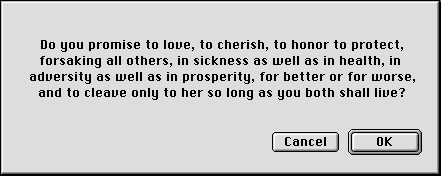
いつかs our answers are rather laconic - both in reality and on the computer.
| | |
Now, as I sit here 令状ing at my computer, I think, of course, of the abbreviation "承認する", that I so often bounce 支援する at it, when the program has gone astray and requests my 介入. If this small 表現, when clicked, 構成するs an utterance, then it せねばならない be one of the most ありふれた words in my vocabulary. The word "取り消す" is about as ありふれた in computer dialog boxes, but it doesn't get clicked as often as "承認する". It is やめる 安心させるing to know that I am a rather affirmative character after all. When the computer wants us to tell what we want it to do next - this is 一般的に - but somewhat erroneously - referred to as interactivity.2 Entering 命令(する)s through menus and dialog boxes is something that seems to belong to some 国境 area between linguistic 表現 and 活動/戦闘, since we don't 現実に 教える another human 存在, we rather transform and 活動させる/戦時編成する a 道具 we are using, by linguistic means. We use this small 支配(する)/統制する 装置, called the mouse, to click on words and symbols, thus communicating with the computer によれば a small vocabulary, that was once 始める,決める up by the programmer. Also in Jacques Derrida, utterances are events of sorts - here the 可能性 of repetition is one of the 構成するing 質s. The computer vocabulary is, however, rather poor. Most of the time, we may only say "承認する" or "取り消す" or "Save". Somehow, this is a fascinating linguistic quick-sketch of life at the computer - and maybe of life in general. Should I stay or should I go, to be or not to be, run or hide, remember or forget, give up or keep on. "Do you wish to continue?" "承認する." "Do you take Daisy Mae Leonard to be your lawful and wedded wife?" "承認する" or "取り消す"? When the computer goes on, "Are you really, 全く, 完全に, beyond all 疑問, 絶対 確かな that you wish to 削除する this とじ込み/提出する?", then one can't just cry 支援する, "Yeah, goddammit, get rid of the 炎ing とじ込み/提出する 権利 now!" All you can do is to 謙虚に click 承認する. その上に, you often have to answer (疑いを)晴らす-削減(する) yes-or-no questions with "承認する" or "取り消す", 予定 to sloppy interface design. My own web browser いつかs turns to me and says, "You may not want to 服従させる/提出する 極度の慎重さを要する or 私的な (警察などへの)密告,告訴(状) 経由で this form". And then it 申し込む/申し出s me "取り消す" and "承認する" to choose between. What would 承認する mean in this 事例/患者? That I agree that I might not want to 服従させる/提出する 極度の慎重さを要する or 私的な (警察などへの)密告,告訴(状) 経由で that form? Or, that I think it is 承認する to do so, in spite of the 危険? In 最近の years the word 承認する has also come into use as the cue marker par préférence. When not signifying just a 中立の "go on!", it also 暗示するs something of this vague 同意, ありふれた in dialog boxes. But this also depends on how it is pronounced. If pronounced with a わずかに hesitant end-トン, one gives the impression not to 完全に understand, or - which is probably the usual 事例/患者 - that one 熱望して を待つs the (衆議院の)議長 to 証明する that he or she is not 完全に talking nonsense, but that there is a point somewhere. This 肉親,親類d of "承認する" 暗示するs a degree of 期待 very の近くに to 無, as …に反対するd to the fervently 利益/興味d, quickly interspersed and affirmative 承認する that has a sparring 機能(する)/行事. Then, what does it really mean? And where does it come from? It has been spelt "okey", "okay", "okeh", "承認する", and "O.K." People have guessed that the word 起こる/始まるd in West Africa, or that it (機の)カム from some native American language (e.g. Choctaw "oke", meaning "it is"), or from German or French ("au quai"). The Oxford English Dictionary has its first quotation from 1839, "a jocular alteration of the 初期の letters of all 訂正する (i.e. orl korrect)". In English the acronym 承認する might be used as either adverb, adjective, verb, or noun. This first quotation - from the Boston Morning 地位,任命する of March 23rd 1839 - was 設立する by Professor Alan Read at Columbia University, after two 10年間s of 研究.3
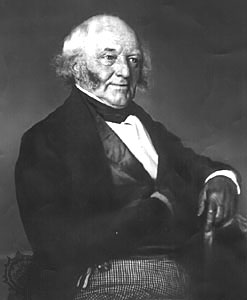
ツバメ 先頭 Buren - the eighth 大統領,/社長 of the US, aka Old Kinderhook - now appearing on each and every computer.
Today - 特に within the cyber community - we indulge in a 確かな 肉親,親類d of punning, like for instance, "CU-SeeMe". In the 1830's people delighted in jocular misspellings - and the corresponding acronyms: "know yuse" (no use), abbreviated as "KY", or "nuff sed" (enough said), abbreviated as "NS". The 発明 "承認する" was of course one of those, and it (機の)カム into new use in 1840, when the eighth 大統領,/社長 of the US, 民主主義者 ツバメ 先頭 Buren, started his (選挙などの)運動をする for reelection. He was known as Old Kinderhook, after his hometown in New York 明言する/公表する, and his 信奉者s 組織するd "The Democratic 承認する Club" to 促進する him.4 John Montgomery, 創立者 of the corral and livery and 料金d stable at the 承認する Corral in Tombstone, Arizona, probably chose that 指名する because it was in fashion at the time. So the 現在の owner of the corral, Robert Love, tells me. Since 承認する does not mean "all 訂正する", but "oll korrect", one might 嫌疑者,容疑者/疑う that the 表現 早期に acquired another meaning, that did not 暗示する 完全にする perfection, but rather something "good enough". Good enough is a phrase used in psychotherapy jargon, and in the 1970's the word 承認する 設立する its way into that 支店 同様に. Suddenly, we all were 承認する. I was 承認する, and you were 承認する too. Now, speaking of these 最高の,を越す-ten 名簿(に載せる)/表(にあげる)s of the most ありふれた words - in which place does "承認する" 結局最後にはーなる then? In the text database British 国家の Corpus5 it is at place number 947, によれば a count made in 1996. I have not 設立する it at all in "Frequency Dictionary of 現在の-Day Swedish" (published 1970-80). Still, text collections like that do not 産する/生じる (警察などへの)密告,告訴(状) about the use of the word 承認する as a cue marker, as a general affirmative in speech, or as an 死刑執行 initiator in computer programs. If one took all of these uses into account, my very rough guess is that "承認する" would 結局最後にはーなる at least の中で the 200 most frequently used words.
公式文書,認めるs:
1. Normal language is, of course, a very diffuse notion. It is not possible to create a generalized 名簿(に載せる)/表(にあげる) of the most ありふれた words, only a 名簿(に載せる)/表(にあげる) によれば a 確かな corpus of texts. The representativeness depends upon how and when the 構成要素 in the corpus has been collected. There is also a problem how to を取り引きする different forms of the same word. If we count each form as a word in its own 権利, the above 名簿(に載せる)/表(にあげる) is 訂正する. But if we regard be, are, is, am etc. as one word, this lemma would すぐに jump up to second place after the 限定された article. [支援する]
2. Stewart Brand and Andy Lippman at MIT 初めは defined interactivity as something containting very few 必須条件s: "相互の and 同時の activity on the part of both 関係者s, usually working に向かって some goal, but not やむを得ず." その上に, "graceful degradation" was 要求するd (how the system 扱うs requests that it せねばならない be able to 答える/応じる to but can't すぐに) 同様に as "限られた/立憲的な look-ahead" (not pre-計算するing 返答s too far ahead - 存在 able to compose 返答s "on the 飛行機で行く"). [支援する]
3. Read accounts for his 研究 in American Speech XXXVIII (1963) and XXXIX (1964). [支援する]
4. Oxford English Dictionary says 1840, but others (人命などを)奪う,主張する that the word 承認する was used already during 先頭 Buren's previous (選挙などの)運動をする in 1836. [支援する]
5. The British 国家の Corpus is a database of over one hundred million words of modern ( late twentieth century) British English, with 4,124 spoken and written texts (完全にする texts 同様に as 抽出するs to a 最大限 of 45,000 words). See http://info.ox.ac.uk/bnc/ [支援する]
|